Admin

Microscopic visualization of advanced multi-axial high-density polyethylene fiber architecture engineered by BS Material for optimal moisture vapor transmission and sterile barrier integrity.

The Definitive Engineering Guide to Next-Generation Microporous HDPE Substrates

[vc_row][vc_column][vc_column_text css=\”\”] The Trajectory of Barrier Material Science The evolution of high-performance synthetics demands a continuous refinement of microporous architectures. Material scientists and product developers require substrates that deliver absolute precision across diverse applications, ranging from critical medical sterile barriers to advanced protective apparel. Transitioning beyond standardized legacy formulations represents a necessary progression in engineering. […]

The Definitive Engineering Guide to Next-Generation Microporous HDPE Substrates Read More »

Molecular structure and polymer pellets of high-purity HDPE resin optimized for advanced non-woven PPE manufacturing by BS Material

The Polymer Foundation of Heat Stress Mitigation: Specifying High-Purity HDPE Resin for Advanced PPE Non-Wovens

[vc_row][vc_column][vc_column_text css=\”\”] For R&D directors and polymer scientists engineering the next generation of Category III Personal Protective Equipment (PPE), the bottleneck in mitigating occupational heat stress isn\’t just fabric architecture—it is the foundational polymer chemistry. When designing protective apparel for high-hazard environments—from humid Gulf Coast petrochemical processing to extreme-temperature mining operations—the goal is clear: maximum

The Polymer Foundation of Heat Stress Mitigation: Specifying High-Purity HDPE Resin for Advanced PPE Non-Wovens Read More »

Close-up of a medical-grade HDPE sterilization roll showing a clean-peel seal for surgical instrument packaging.

Rethinking the Sterile Field: The Clinical Advantages of HDPE in EO Sterilization Packaging

[vc_row][vc_column][vc_column_text css=\”\”] For surgical teams and clinical directors, the integrity of the sterile field is non-negotiable. While Ethylene Oxide (EO) sterilization remains the gold standard for heat- and moisture-sensitive medical instruments, the packaging surrounding these tools is frequently the weakest link. When a pouch fails—whether through micro-punctures, compromised seals, or particulate shedding during opening—patient safety

Rethinking the Sterile Field: The Clinical Advantages of HDPE in EO Sterilization Packaging Read More »

Microscopic view of 100% HDPE synthetic paper showing the polymer matrix and non-woven structure.

The Thermodynamics of Recycling Industrial HDPE Synthetic Paper

[vc_row][vc_column][vc_column_text css=\”\”] The short answer is yes, 100% High-Density Polyethylene (HDPE) synthetic paper is mechanically recyclable after heavy-duty industrial application. However, true closed-loop circularity depends heavily on overcoming surface contamination, mitigating polymer chain scission during repelletization, and bypassing municipal sorting limitations. For material specifiers and polymer engineers, the \”100% recyclable\” claim on a technical data

The Thermodynamics of Recycling Industrial HDPE Synthetic Paper Read More »

Microscopic view of the tortuous path in porous HDPE sterile packaging material.

Advancements in Porous HDPE: Balancing Puncture Resistance and Economics in Sterile Breathable Packaging

[vc_row][vc_column][vc_column_text css=\”\”] Key Takeaways: The Challenge: Packaging engineers must balance strict cost-reduction mandates with the uncompromising need for microbial barrier integrity and puncture resistance. The Mechanism: Advanced High-Density Polyethylene (HDPE) substrates achieve sterility through a microscopic \”tortuous path\” that effectively traps pathogens while allowing sterilant gases to flow. The Application: Engineered for high-risk clinical scenarios,

Advancements in Porous HDPE: Balancing Puncture Resistance and Economics in Sterile Breathable Packaging Read More »

An ultralight camping tent pitched on a highly durable, waterproof HDPE tent footprint in the mountains

Beyond Traditional Fabrics: The Rise of High-Density Polyethylene in Backpacking

[vc_row][vc_column][vc_column_text css=\”\”] Introduction Spend any amount of time browsing outdoor forums or backpacking subreddits, and a clear trend emerges: today’s outdoor enthusiasts are obsessively shaving ounces off their base weight, but they refuse to compromise on durability. When searching for the perfect waterproof tent footprint or ultralight ground cloth, traditional heavy fabrics just don\’t cut

Beyond Traditional Fabrics: The Rise of High-Density Polyethylene in Backpacking Read More »
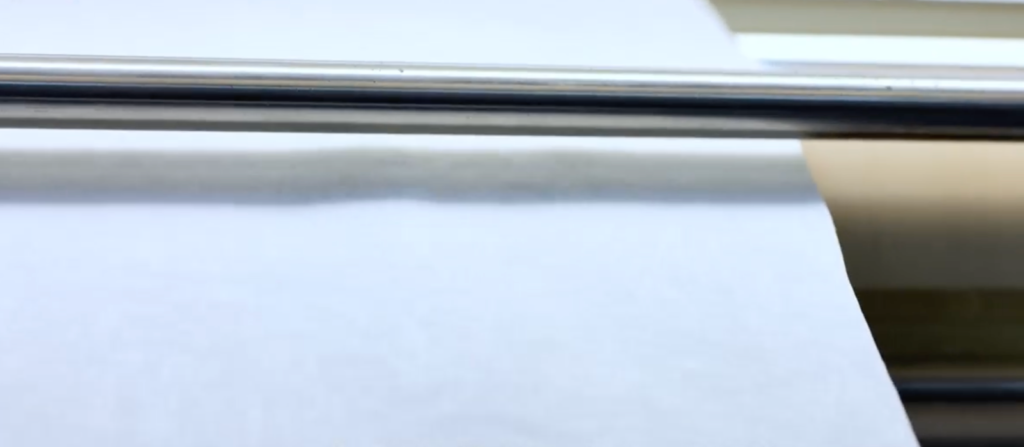
Rolls of 100% flashspun HDPE breathable material manufactured for sterile medical packaging applications.

Optimizing Medical Packaging Costs in 2026: The Rise of 100% HDPE Flashspun Alternatives

[vc_row][vc_column][vc_column_text css=\”\”] Executive Summary: As supply chain budgets tighten in 2026, packaging engineers are actively seeking reliable alternatives to the legacy market leader for sterile medical packaging. The most cost-effective and technically equivalent solution is 100% High-Density Polyethylene (HDPE) engineered through a specialized flash-spinning process. This material matches the industry standard for microbial barriers and

Optimizing Medical Packaging Costs in 2026: The Rise of 100% HDPE Flashspun Alternatives Read More »

Close-up texture of high-performance 100% HDPE nonwoven material showing micro-porous breathable structure

Rethinking High-Performance Protective Materials: Overcoming Procurement and Performance Bottlenecks in 100% HDPE

[vc_row][vc_column][vc_column_text css=\”\”] Executive Summary: For decades, the market for breathable, waterproof, and tear-resistant synthetic materials has been dominated by a narrow set of legacy manufacturing processes. While traditional 100% High-Density Polyethylene (HDPE) flashspun nonwovens offer undeniable performance, reliance on single-source suppliers has created significant supply chain vulnerabilities. This article explores the hidden costs of legacy

Rethinking High-Performance Protective Materials: Overcoming Procurement and Performance Bottlenecks in 100% HDPE Read More »

On-site installation of a high-performance building envelope showing the installation of a multi-layer HDPE breathable membrane.

Strategic Building Envelope Design: Advanced HDPE Breathable Membranes for 2026 Energy Standards

[vc_row][vc_column][vc_column_text css=\”\”] Executive Summary As global building codes—such as the IECC 2024/2026 updates and Eurocode 6—tighten requirements for thermal efficiency, the role of the Weather Resistive Barrier (WRB) has evolved. It is no longer just a house wrap; it is a critical component of the Building Envelope. High-Density Polyethylene (HDPE) membranes remain the gold standard,

Strategic Building Envelope Design: Advanced HDPE Breathable Membranes for 2026 Energy Standards Read More »