

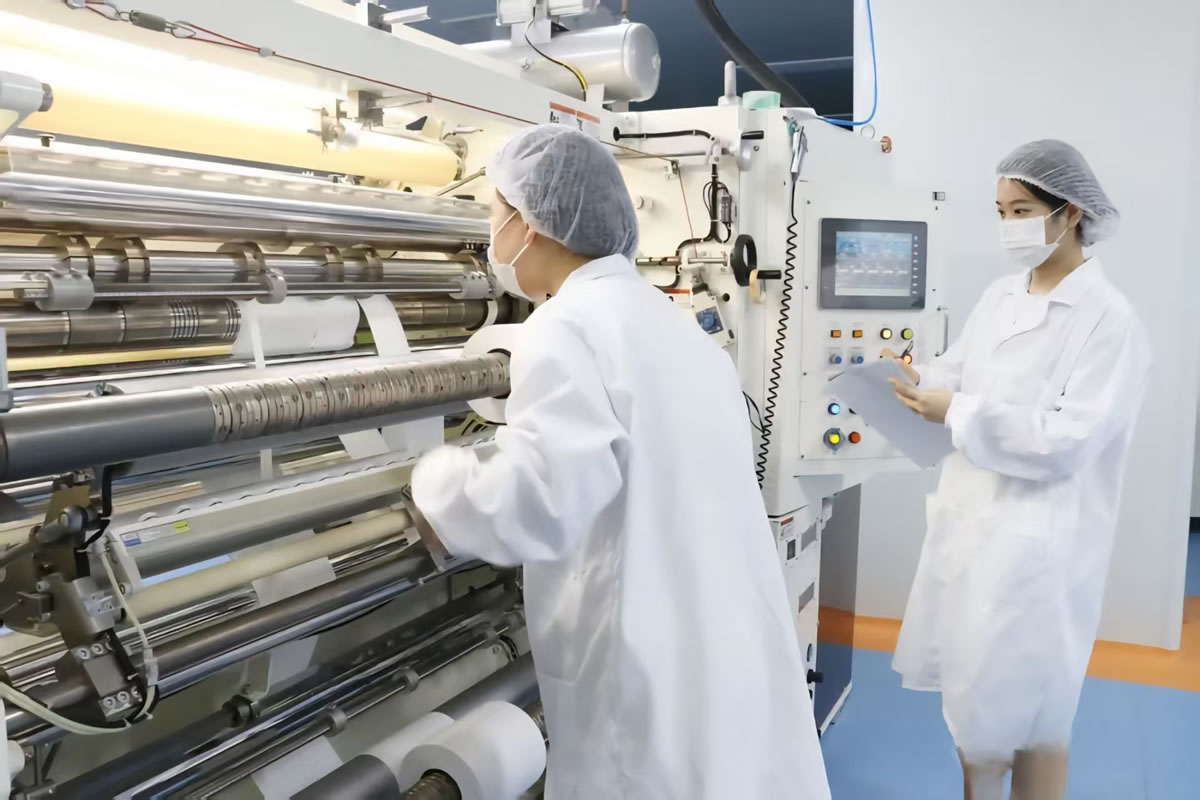
Sterilization in Healthcare: Importance, Uses, Purpose, and Applications in Sterile Medical Protection
Sterilization plays a critical role in modern healthcare and medical protection systems. It ensures that medical products, instruments, and tissues remain free from harmful microorganisms. In industries related to sterile medical protection, sterilization is not optional it is essential for patient safety, regulatory compliance, and product quality.
This blog explains sterilization, its importance, purpose, applications, and how sterilization can be carried out, while covering all services related to sterile medical protection.
Explain Sterilization
Sterilization is the process of eliminating or destroying all forms of life, including bacteria, viruses, fungi, and spores, from medical products, equipment, and tissues. It is widely used in hospitals, laboratories, pharmaceutical units, and medical manufacturing industries.
Sterilization ensures that medical environments and products remain safe, hygienic, and contamination-free.
Purpose of Sterilization
 The primary purpose of sterilization is to protect human health and prevent infections. In sterile medical protection, sterilization supports safe medical procedures and product usage.
Key purposes include:
- Preventing healthcare-associated infections (HAIs)
- Ensuring patient and staff safety
- Maintaining sterility of medical devices and tissues
- Meeting international medical quality standards
- Supporting long-term storage of sterile products
Importance of Sterilization
The importance of sterilization cannot be overstated, especially in medical and healthcare applications. Without proper sterilization, even advanced medical treatments can become life-threatening.
Importance of sterilization includes:
- Reduces risk of infection and cross-contamination
- Ensures safe surgical and clinical procedures
- Protects sensitive medical materials and tissues
- Enhances reliability of sterile medical protection products
- Builds trust in healthcare services and medical brands
Sterilization Can Be Carried Out By
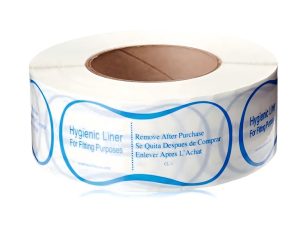 Sterilization can be carried out by various physical and chemical methods depending on the product and application.
Common sterilization methods include:
- Steam sterilization (Autoclaving)
- Ethylene oxide (EtO) sterilization
- Radiation sterilization (Gamma rays, E-beam)
- Dry heat sterilization
- Chemical sterilization
- Filtration sterilization for sensitive liquids
Each method is selected based on material compatibility, safety, and regulatory requirements.
Uses of Sterilization
The uses of sterilization are widespread across medical and industrial sectors. It ensures that products remain safe for direct human contact.
Major uses of sterilization include:
- Sterilizing surgical instruments and tools
- Sterilization of medical packaging materials
- Pharmaceutical and laboratory equipment sterilization
- Sterilizing disposable medical products
- Preparing sterile environments in hospitals and clinics
Application of Sterilization
The application of sterilization extends across multiple services within sterile medical protection.
Key applications include:
- Hospitals and healthcare facilities
- Pharmaceutical manufacturing units
- Medical device and equipment production
- Diagnostic and research laboratories
- Sterile packaging and medical protection materials
Sterilization supports every stage of medical product handling—from manufacturing to final use.
Sterilize Tissue: A Critical Medical Process
To sterilize tissue, specialized sterilization techniques are used to preserve tissue integrity while eliminating microorganisms. Tissue sterilization is essential in transplants, wound care, and regenerative medicine.
Benefits of tissue sterilization:
- Prevents infection during medical procedures
- Maintains biological functionality
- Ensures patient safety and successful outcomes
- Supports advanced medical treatments
Sterile Medical Protection Services
Sterile medical protection services focus on delivering contamination-free medical solutions. These services combine advanced sterilization processes with strict quality control.
Services include:
- Sterile medical material manufacturing
- Protective medical packaging solutions
- Controlled sterilization processes
- Quality assurance and compliance support
- Customized sterile protection solutions
Conclusion
Sterilization is the backbone of sterile medical protection. From understanding how sterilization can be carried out to recognizing the importance, purpose, uses, and applications of sterilization, it remains a vital process in healthcare. Whether it is sterilizing equipment, packaging, or tissues, sterilization ensures safety, reliability, and excellence in medical services.
For advanced sterile medical protection solutions, adopting proper sterilization methods is essential for delivering safe and high-quality healthcare products.
FAQs
Q1. Sterilization can be carried out by which methods in healthcare?
Sterilization can be carried out by steam, chemical agents, radiation, and gas-based techniques depending on the medical application. In sterile medical protection systems, sterilization can be carried out by selecting the safest and most effective method for each product.
Q2. What are the main uses of sterilization in medical industries?
The uses of sterilization include eliminating harmful microorganisms from medical tools, packaging, and devices. The uses of sterilization also help ensure patient safety and maintain hygiene standards in healthcare environments.
Q3. Why is the importance of sterilization high in medical protection?
The importance of sterilization lies in preventing infections and contamination during medical procedures. The importance of sterilization also ensures compliance with healthcare safety regulations and quality standards.
Q4. What is the purpose of sterilization in healthcare services?
The purpose of sterilization is to remove all microorganisms from medical products and environments. The purpose of sterilization also supports safe treatment, surgery, and long-term storage of sterile medical materials.
Q5. Can you explain sterilization in simple terms?
To explain sterilization, it is a process that completely destroys bacteria, viruses, and spores from medical items. To explain sterilization further, it ensures that medical products are safe for direct patient use.
Q6. What is the application of sterilization in sterile medical protection?
The application of sterilization is widely seen in hospitals, laboratories, and medical manufacturing units. The application of sterilization also plays a key role in sterile packaging and medical protection services.
Q7. What are the uses of sterilization in hospitals and clinics?
The uses of sterilization include cleaning surgical instruments, medical equipment, and protective materials. The uses of sterilization help reduce healthcare-associated infections and improve treatment safety.
Q8. Why is it important to sterilize tissue in medical procedures?
To sterilize tissue is essential to prevent infection during transplantation and wound treatment. To sterilize tissue properly ensures patient safety and maintains the biological integrity of medical tissues.